
Elite fitness that fits your life and schedule.
Get the planElite fitness that fits your life and schedule.
Get the planAs men enter their 40s, they face a battle against the natural decline of muscle mass and metabolism. Unaddressed, this can lead to weight gain and a greater risk of chronic illness, which can impact quality of life.
While many understand the importance of maintaining a healthy weight, the path can be unclear as fad diets continuously flood the market.
This is why we want to introduce the 100-50 method, an evidence-based strategy, designed to help you lose weight.
In this article, we introduce the 100-50 weight loss method. We cover the key concept, benefits, daily meal planning, calorie-tracking techniques, and more to help you achieve your weight loss goal.
What Is the 100-50 Weight Loss Method for Men?
The 100-50 weight-loss method is a nutritional strategy that focuses on consuming 100 grams of protein and 50 grams of healthy fats each day. Below, we discuss the 100-50 method, including its origins, concepts, and key principles.
Origins and Concept of the 100-50 Method
Created by Aimee Meier and Erica Jennings, the 100-50 method is an evidence-based strategy to improve nutrient intake, weight management, and support overall health.
Originally designed for women, it focuses on protein and healthy fats to support hormonal changes and fat loss while increasing energy.
Meeting these protein and healthy fat targets also helps build muscle, increase fullness, and support vital organs. This makes it suitable for men over 40 who are experiencing a decline in muscle mass and weight gain.
Key Principles of the 100-50 Method
The 100-50 method is nutrition-focused. While protein and healthy fat intake are key components, portion control and calorie intake are also major focuses, which are vital for weight loss. Below, we list the key principles and why they are so effective.
- Protein — Protein is the most filling macronutrient, helping maintain fullness and reduce calorie intake.
- Healthy Fats — Fats are vital for energy, nutrient absorption, and hormone regulation.
- Portion Sizing — Prevents overeating and regulates calorie intake.
- Calorie Intake — Maintaining a calorie deficit is essential for weight loss. Monitoring your calorie intake can help you understand your eating habits and improve your relationship with food.
Nutritional Balance in the 100-50 Method
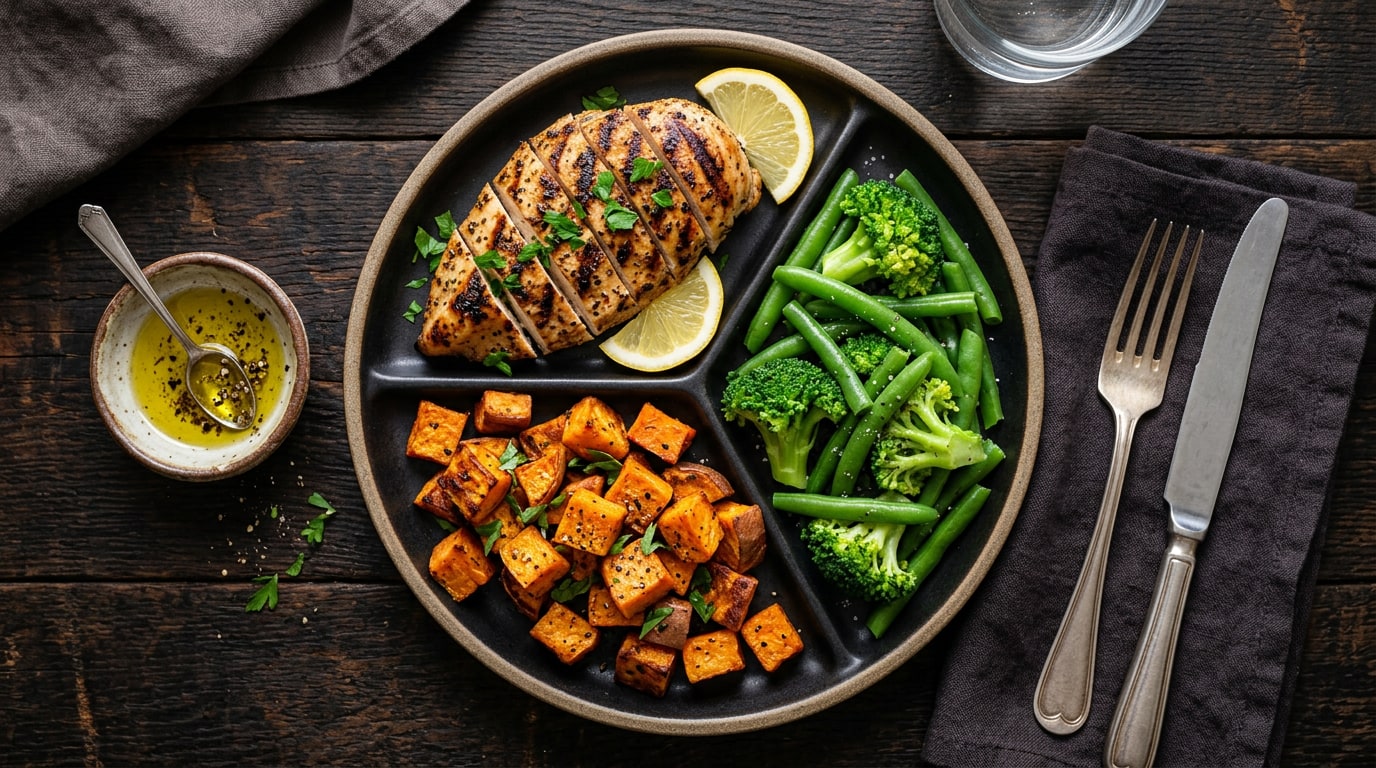
The 100-50 methods focus on nutrition, which not only supports weight loss, but also shows you how to manage your calorie and nutrient intake. Below, we explain the nutritional balance in the 100-50 method, including the importance of protein intake and the role of dietary fats and other nutrients.
Importance of Protein Intake
Sources explain that diets containing 1.2–1.6 g of protein per kilogram per day, with meal quantities of 25–30 g per meal, improved appetite, body weight management, and cardiometabolic risk factors.
Meanwhile, studies indicate that protein contributes to muscle strength and mass gain when paired with resistance training.
Protein is prioritized in the 100-50 method to preserve muscle mass and improve fullness. This reduces hunger between meals and excess calorie intake while preserving muscle mass, which is a major component of total daily energy expenditure.
Role of Fats in the Diet
Research explains that fats are vital for human function, including energy intake and the intake of fat-soluble vitamins.
Meanwhile, sources indicate that higher intakes of total fat, saturated, monounsaturated, and only unsaturated fatty acids were associated with lower total mortality.
Therefore, the 100-50 method’s focus on healthy fat intake can provide energy, absorb vital nutrients, and help lower mortality.
Benefits of the 100-50 Method for Men's Weight Loss
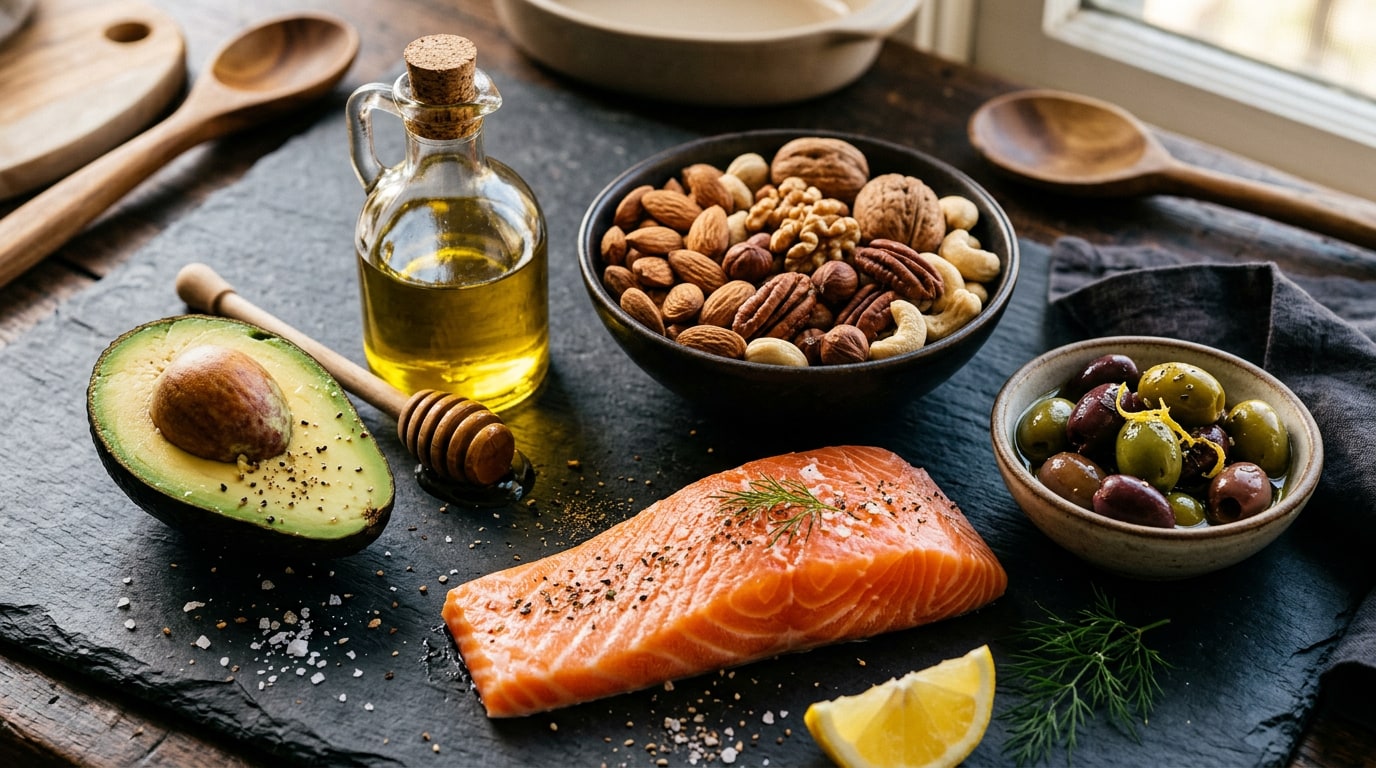
The 100-50 method is used to support weight loss; however, it has far-reaching effects on men’s health. Below, we highlight the benefits, including the preservation of muscle mass, weight loss, hormone support, and more.
Preserve Muscle Mass
Research shows that to maintain muscle mass, muscle protein synthesis must exceed muscle protein breakdown. This can be achieved through dietary protein intake and exercise.
The 100-50 method’s focus on consuming 100 g of protein each ensures there is sufficient protein to maintain a positive balance, preserving skeletal muscle mass. This helps to maintain strength, function, metabolism, and quality of life.
Weight Loss
Sources explain that weight loss requires a calorie deficit, which is consuming fewer calories than your total daily energy expenditure (TDEE). Meanwhile, research shows that protein increases satiety and diet-induced thermogenesis, which is the energy burned when digesting and absorbing food.
TThe 100-50 method’s focus on protein intake, combined with boosting metabolism, can create a powerful swing to help you maintain a calorie deficit, leading to greater weight loss.
Support Hormonal Health (Preserve Testosterone)
Research explains that all steroid hormones are synthesized from cholesterol. Cholesterol, which is a component of dietary fats, is a building block of testosterone production.
Consuming 50 grams of healthy fats, including monounsaturated and polyunsaturated fats, can support healthy testosterone levels in men. This helps preserve muscle, bone density, and libido.
Improve Cognition
Evidence shows that omega-3 fatty acids can prevent cognitive impairment and improve mental performance. Sources show that omega-3 fatty acids have neuroprotective benefits.
The 100-50 method prioritizes dietary fat intake through foods such as fish, vegetables, dairy, nuts, and seeds, which can be sufficient to improve cognition and provide neuroprotective benefits.
Reduces The Risk of Chronic Illness
Research shows that being overweight and obese is associated with cancer, type 2 diabetes, stroke, coronary artery disease, congestive heart failure, chronic back pain, osteoarthritis, and an increased risk of disability.
Studies show that a 5% weight loss improved liver function, total cholesterol, blood pressure, glycemic control, and health-related quality of life.
Sources indicate that diets high in healthy fats prevent the development of metabolic diseases such as type 2 diabetes and reduce cardiovascular events
The 100-50 method provides sufficient protein to support weight loss and reduce the risk of chronic illness. Meanwhile, dietary fat intake can help prevent the risk of metabolic disease and cardiometabolic events.
Daily Meal Planning with the 100-50 Method
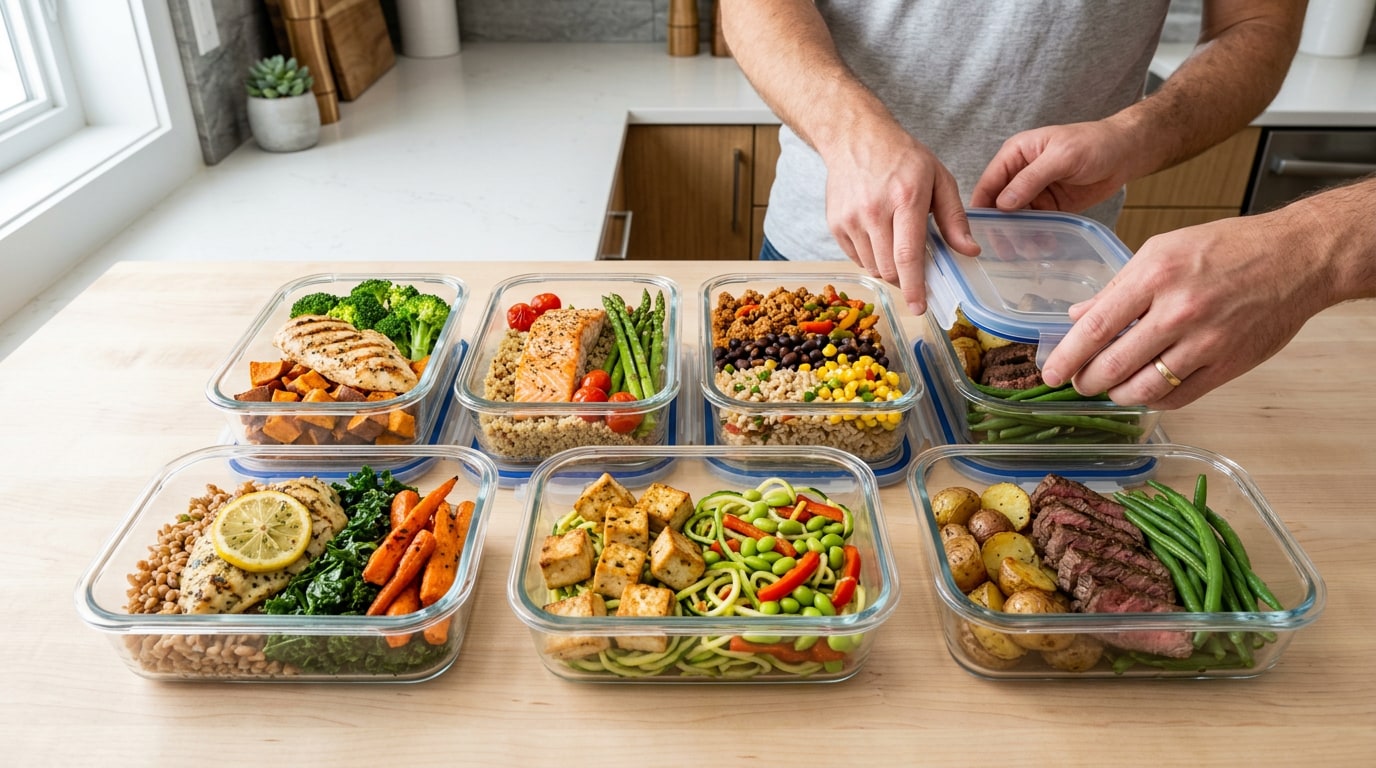
The 100-50 provides the guidelines for weight loss and improvements to quality of life. Below, we show you how to implement the 100-50 method with a daily meal plan.
Sample Meal Plan for Men
The following meal plan is based on a 2,000 kcal/day, and contains breakfast, lunch, dinner, and a snack. Below, we list each meal with its calorie and macronutrient breakdown to show you exactly how you will be getting your 100 grams of protein and 50 grams of fat.
Calorie & Macronutrient Intake
- Calorie: 2,000 kcal/day
- Carbohydrates: 40% of total calorie intake (200 g)
- Protein: 35% of total calorie intake (175 g)
- Fats: 25% of total calorie intake (56 g)
Breakfast — Egg, Cottage Cheese & Spinach Toast
Macros: 450 kcal, Carbs: 30 g, Pro: 40 g, Fat: 18 g
- 2 whole eggs
- 150 g egg whites
- 50 g cottage cheese
- 1 slice wholegrain toast
- Spinach + mushrooms
- 1 tsp olive oil
Lunch — Turkey & Avocado Wrap + Side Salad
Macros: 500 kcal, Carbs: 45 g, Pro: 45 g, Fat: 15 g
- 120 g lean turkey breast
- 1 wholegrain wrap
- Lettuce, tomato, cucumber
- 40 g avocado
- Light yogurt-based dressing
Snack — Chocolate Peanut Butter Protein Smoothie
Macros: 300 kcal, Carbs: 30 g, Pro: 30 g, Fat: 8 g
- 1 scoop protein powder
- 1 small banana
- 10 g peanut butter
- Unsweetened almond milk
- Ice + cocoa powder
Dinner — Lean Beef Protein Pasta
Macros: 750 kcal, Carbs: 95 g, Pro: 60 g, Fat: 15 g
- 120 g lean beef mince (5%)
- 75 g dry wholegrain pasta
- Tomato-based sauce
- Zucchini/carrots added
- 1 tsp olive oil
Adjusting Meal Plans for Different Goals
Adjusting the 100-50 method meal plan requires a shift in calorie intake to change this from weight loss to muscle gain.
As mentioned, weight loss requires a calorie deficit and high-protein intake to maintain fullness and preserve muscle mass.
Meanwhile, gaining muscle requires a calorie surplus, meaning you must consume more calories than your total daily energy expenditure. This increase in calories allows for greater protein intake for muscle growth and carbohydrates to fuel intense resistance training sessions.
Here is an example of the calorie intake for weight loss and muscle gain based on 2,400 kcal TDEE. We list the macronutrient breakdown with ideal splits for each training goal.
Weight Loss
- TDEE: 2,400 kcal/day
- Calorie Deficit: Minus 400 kcal
- Calorie Target (weight loss): 2,000 kcal/day
Macronutrients Intake
- Carbohydrates: 40% of total calorie intake (200 g)
- Protein: 35% of total calorie intake (175 g)
- Fat: 25% of total calorie intake (56 g)
Muscle Gain
- TDEE: 2,400 kcal/day
- Calorie Surplus (muscle gain): 2,800 kcal/day
Macronutrients Intake
- Carbohydrates: 50% of total calorie intake (350 g)
- Protein: 25% of total calorie intake (175 g)
- Fat: 25% of total calorie intake (78 g)
Portion Control Strategies for Men
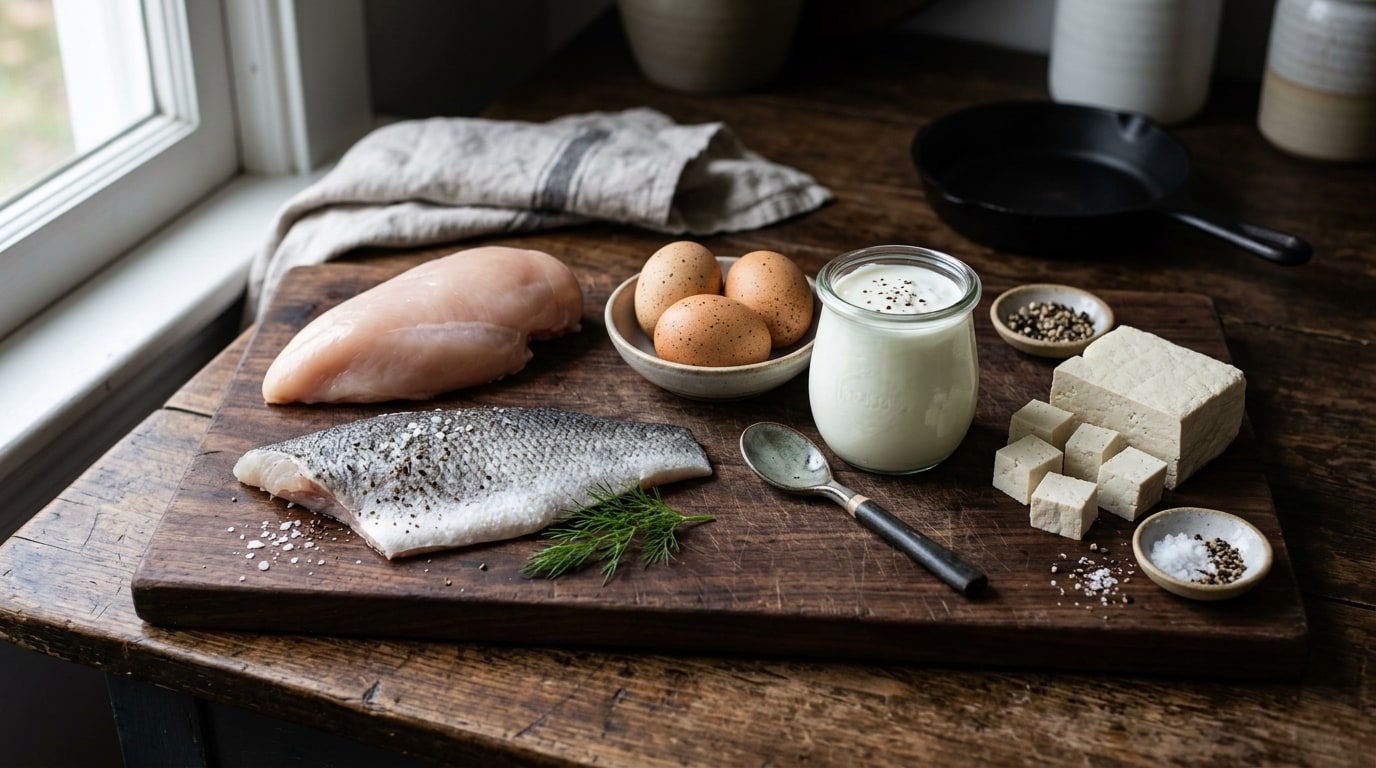
Portion control is an effective strategy for managing calorie intake. Below, we discuss portion control strategies, including effective techniques, common challenges, and solutions.
Techniques for Effective Portion Control
Here is a list of portion control techniques that can help you reduce calorie intake and support a healthy weight.
- Drink a glass of water before meals — Increases fullness and reduces calorie intake
- Use a smaller plate — Reduces total calorie intake
- Divide your plate — 25% protein, 25% carbohydrates, and 50% non-starchy vegetables
- Eat until 80% full — Prevents overeating (excessive calorie consumption.
- Avoid eating while distracted — No eating in front of the TV, computer, or phone
Common Challenges and Solutions
Here is a list of common challenges and solutions found with portion control.
- Eating Out — Dining out can make it difficult to stick to your nutrition plan and maintain portion control. If you are eating out frequently, aim to order smaller dishes and practice mindful eating. This will slow the eating process and wait 20 minutes before a second serving. This gives your brain time to recognize that your stomach is full.
- Lack of Planning — Skipping or missing meals can increase hunger. This can lead to consuming larger portions later in the day. To avoid this, plan your daily meals and portion sizes. If you miss a meal, you can eat it later or eat the same portion of food later.
- Reduced Satiety — Beginning portion control can lead to hunger as the body adjusts to smaller meal sizes. To remedy this, ensure that each meal contains at least 30 grams of protein and practice mindful eating (chew 20 times, no distractions, allow 20 minutes before seconds).
- Finish Your Plate Habit — As children, many people were encouraged to finish all the food on their plates to avoid waste. This made it difficult to recognize satiety cues and promoted overeating. To avoid this, eat until you are 80% full and wait 20 minutes before having a small second portion.
- Poor Estimation — Many people underestimate the recommended portions for different foods. This leads them to underestimate calorie content and excess calorie consumption. To remedy this, measure portions of ingredients and track your daily food intake using a nutrition-tracking app. This will help you monitor calorie intake and learn the ideal portions.
Calorie Tracking Techniques

Calorie tracking is an essential practice for weight loss as it helps manage calorie and macronutrient intake, which is key for losing weight or gaining muscle. Below, we discuss calorie tracking techniques, highlighting tools and tips for accurate calorie counting.
Using Apps and Tools for Tracking
Nutrition-tracking apps are excellent tools for monitoring your daily calorie and macronutrient intake. Many apps contain large food databases with each food containing calorier and micronutrient content.
Here, you can set your daily calorie and macronutrient targets, and log your daily food intake. This can help you hit your 100 grams of protein and 50 grams of fat targets, and help you maintain a calorie deficit for weight loss or a calorie surplus to gain muscle.
Tips for Accurate Calorie Counting
When it comes to counting calories, accuracy is crucial. Here are tips for accurate calorie counting.
- Weigh Food — Use scales, measuring cups, and measuring spoons for precise calorie intake.
- Read Label — Cross-check the label with the food database record to ensure accuracy.
- Scan Barcodes — Contains the most accurate calorie and macronutrient information.
- Log After Each Meal — Log when cooking or directly after to ensure accuracy
- Track Hidden Calories — Count sauces and oils. These can be some of the most calorie-dense foods. For example, 1 tablespoon contains 120 calories.
Potential Challenges of the 100-50 Method

The 100-50 method simplifies nutrition for weight loss, but this doesn’t mean it's always easy to stick to. Below, we discuss its potential challenges, including dietary restrictions and lifestyle compatibility.
Addressing Dietary Restrictions
The 100-50 method is a flexible framework that can support weight loss. However, many struggle to meet daily protein and fat requirements, especially for those with limited nutrition knowledge or different dietary preferences.
Individuals following a vegetarian or vegan diet may find it challenging to meet protein targets if they don’t know what to look for.
Here is a list of high-protein plant-based foods, including the grams of protein per serve:
- Vegan protein powder: 20–25 g
- Tempeh: 20 g
- Tofu: 15 g
- Lentils: 18 g
- Chickpeas: 15 g
- Black beans: 15 g
- Kidney beans: 13 g
Fat intake can also creep up, leading to excess calorie intake. This is because fat is the most calorie-dense macronutrient, containing 9 kcal/gram compared to 4 kcal/gram in protein and carbohydrates.
For example, 50 g of fat is 450 kcal, and going over by 10 grams can mean an additional 90 kcal.
The key here is to begin tracking your nutrition. This will help you learn the best combinations of food to meet your protein and fat targets without exceeding them.
Lifestyle Compatibility and Adaptation
Consuming 100 grams of protein and 50 grams of fat can seem complicated; however, it can be simplified with meal planning and calorie tracking. Here is a list of ways to adapt the 100-50 method to your lifestyle.
- Divide Macros Across Meals: Add 25–30 g of protein and 12-15 g of healthy fat to each meal.
- Meal Prep: Helps control your calories and macronutrients.
- Focus on Convenience: Stock high-protein and healthy fat foods. Having foods such as eggs, Greek yogurt, beans, lentils, and protein powder ensures you always have them standing by, helping you stick to your plan.
- Match Meals to Schedule: Customizing meals, adding protein shakes for busy schedules, and adjusting meal sizes to fit your daily routine can improve adherence.
Can You Eat Carbs on the 100-50 Method?
Yes, you can eat carbs on the 100-50 method. Carbohydrates are considered the body’s primary energy source for muscles and the brain. The focus on 100 g of protein and 50 g of fat means a large portion of the remaining calories are assigned to carbohydrates.
Summary: Achieving Weight Loss Goals with the 100-50 Method
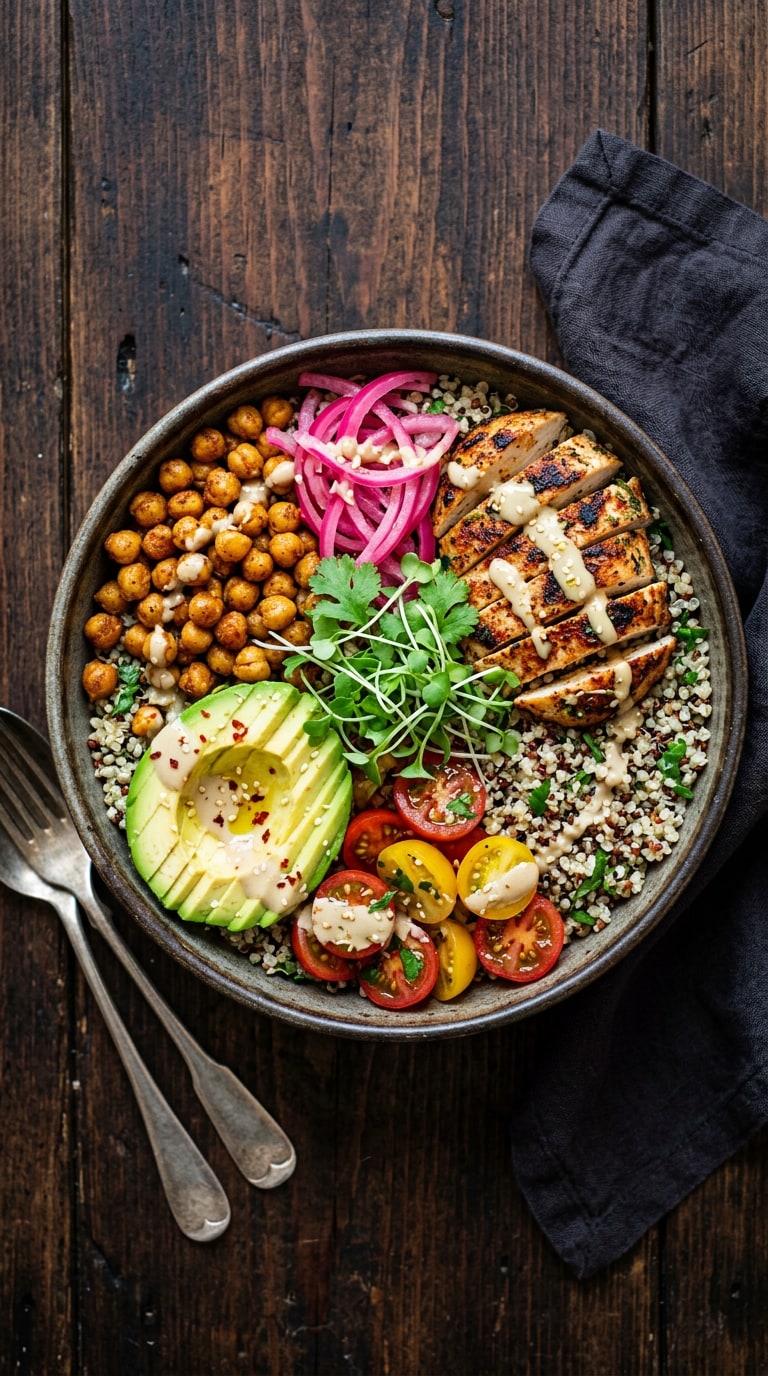
The 100-50 method is a flexible, nutrition-focused strategy that can support healthy weight loss. Its focus on protein makes it incredible for building and preserving skeletal muscle mass and maintaining fullness. Meanwhile, its fat targets help protect vital organs and absorb vital nutrients, and prevent metabolic diseases and lower mortality.
Adapting the 100-50 Method for Vegetarians
The 100-50 method can be adapted for vegetarians by prioritizing plant-based foods that are rich in protein and healthy fats.
Here is a list of plant-based high-protein and healthy-fat foods.
Recipes for the 100-50 Method
Hitting your daily protein and fat targets requires meeting them with each meal. Here is a list of simple dishes that meet your daily nutrient goals.
Spicy Garlic Egg Scramble & Toast
Macros: 430 kcal, Carb: 40 g, Pro: 30 g, Fat: 12 g
- Egg whites (200g) + 1 whole egg
- 1 slice whole-grain toast
- 1 tsp olive oil
- Garlic, chili flakes, paprika, black pepper
- Optional: salsa on top
Lemon Herb Chicken Rice Bowl
Macros: 460 kcal, Carb: 45 g, Pro: 32 g, Fat: 12 g
- 100 g grilled chicken breast
- ¾–1 cup rice
- 1 tsp olive oil
- Veggies
- Seasoning: lemon juice, garlic, oregano, salt, pepper
Chipotle Turkey Wrap
Macros: 460 kcal, Carb: 35 g, Pro: 30 g, Fat: 12 g
- 100 g lean turkey
- Whole wheat wrap
- ¼ avocado
- Lettuce, tomato
- Sauce: chipotle, mustard, or light mayo
Mediterranean Tuna Quinoa Bowl
Macros: 460 kcal, Carb: 40 g, Pro: 32 g, Fat: 12 g
- 1 can tuna
- ½–¾ cup quinoa
- 1 tsp olive oil
- Cucumber, tomato, parsley
- Lemon + garlic + a little salt
Berry Almond Yogurt Crunch Bowl
Macros: 450 kcal, Carb: 40 g, Pro: 30 g, Fat: 12 g
- 250g nonfat Greek yogurt
- 15g almonds
- 1 tbsp chia seeds
- Berries
- Cinnamon + a little honey
Teriyaki Salmon + Potatoes
Macros: 480 kcal, Carb: 40 g, Pro: 30 g, Fat: 14 g
- 100g salmon
- 200g potatoes
- Broccoli
- Light teriyaki sauce
Chocolate Peanut Butter Protein Smoothie
Macros: 450 kcal, Carb: 35 g, Pro: 30 g, Fat: 12 g
- 1 scoop protein powder
- 250ml milk
- 1 tsp peanut butter
- ½ banana
- Cocoa powder
Q: What is the 100 50 weight loss method for men?
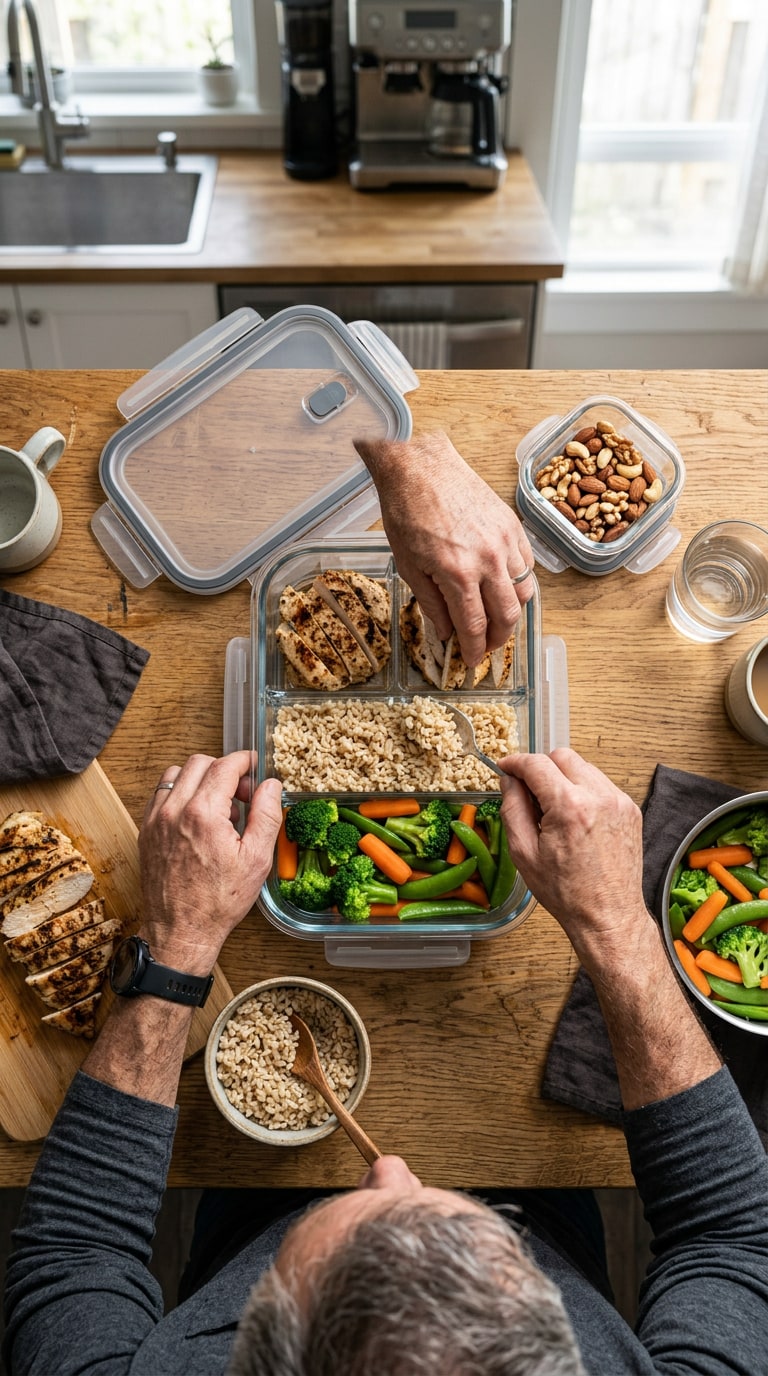
The 100-50 method is a nutrition-focused, weight-loss strategy that prioritizes 100 g of protein and 50 g of fat. This helps men build and preserve lean muscle, maintain metabolism, and support reducing the risk of chronic illness.
Q: What foods are included in the 100-50 method food list?
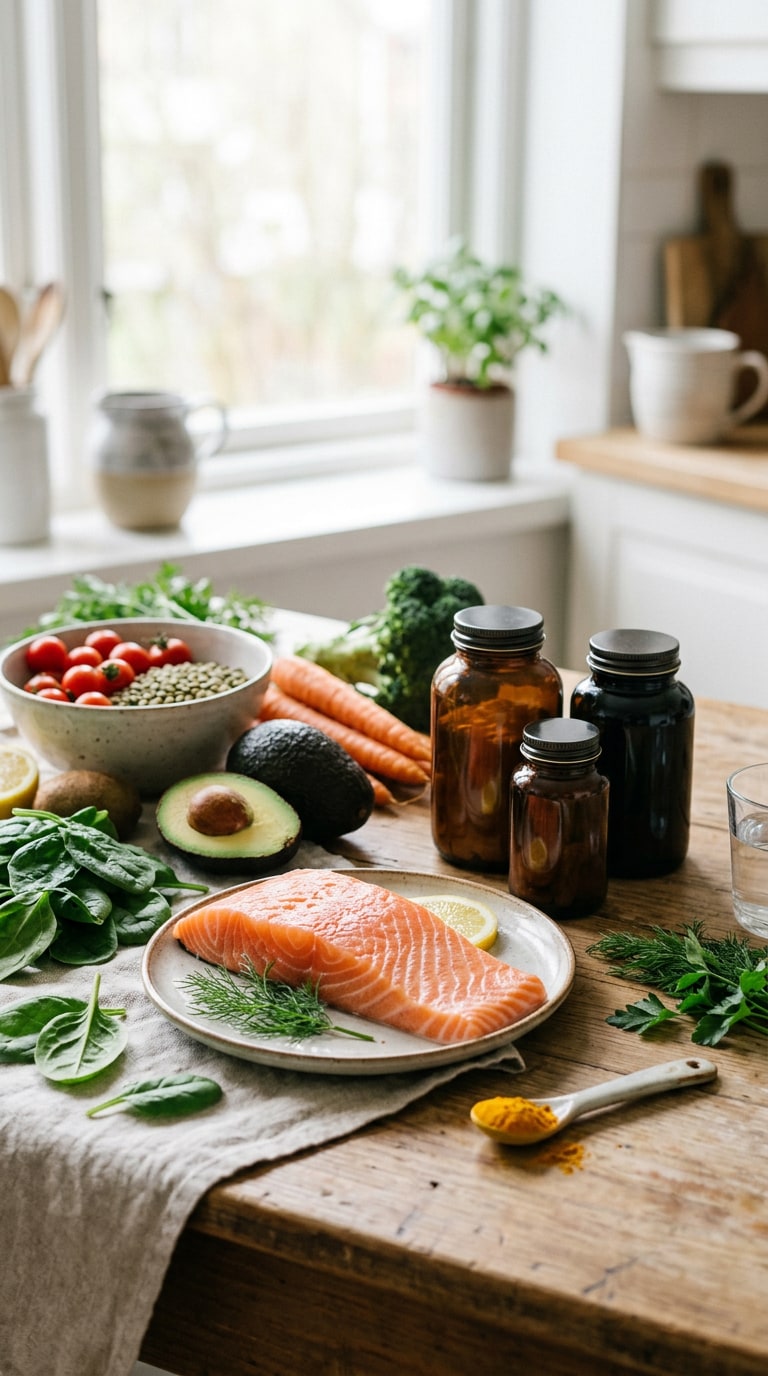
The 100-50 method foods list includes nutrient-dense whole foods that contain complex carbohydrates, lean protein, and healthy fats. The focus on macronutrients makes it flexible, allowing for a variety of foods so long as they meet daily macronutrient and calorie targets.
Q: How can the 100 50 method be adapted for vegetarians?
The 100 50 method can be adapted to vegetarians by swapping meat for high-protein and healthy fat protein sources. Food such as soy, legumes, nuts, and seeds is an excellent source of protein. Meanwhile, healthy fats can be found in chia seeds, flaxseeds, avocado, soy, and walnuts.
Elite fitness that fits your life and schedule.
Get the planSources
- Leidy HJ, Clifton PM, Astrup A, Wycherley TP, Westerterp-Plantenga MS, Luscombe-Marsh ND, Woods SC, Mattes RD. The role of protein in weight loss and maintenance. Am J Clin Nutr. 2015 Jun;101(6):1320S-1329S. doi: 10.3945/ajcn.114.084038. Epub 2015 Apr 29. PMID: 25926512. https://pubmed.ncbi.nlm.nih.gov/25926512/
- Carbone JW, Pasiakos SM. Dietary Protein and Muscle Mass: Translating Science to Application and Health Benefit. Nutrients. 2019 May 22;11(5):1136. doi: 10.3390/nu11051136. PMID: 31121843; PMCID: PMC6566799. https://pmc.ncbi.nlm.nih.gov/articles/PMC6566799/
- Tipton KD, Hamilton DL, Gallagher IJ. Assessing the Role of Muscle Protein Breakdown in Response to Nutrition and Exercise in Humans. Sports Med. 2018 Mar;48(Suppl 1):53-64. doi: 10.1007/s40279-017-0845-5. PMID: 29368185; PMCID: PMC5790854. https://pmc.ncbi.nlm.nih.gov/articles/PMC5790854/
- Forouhi NG, Krauss RM, Taubes G, Willett W. Dietary fat and cardiometabolic health: evidence, controversies, and consensus for guidance. BMJ. 2018 Jun 13;361:k2139. doi: 10.1136/bmj.k2139. PMID: 29898882; PMCID: PMC6053258. https://pmc.ncbi.nlm.nih.gov/articles/PMC6053258/
- Halton TL, Hu FB. The effects of high protein diets on thermogenesis, satiety and weight loss: a critical review. J Am Coll Nutr. 2004 Oct;23(5):373-85. doi: 10.1080/07315724.2004.10719381. PMID: 15466943. https://pubmed.ncbi.nlm.nih.gov/15466943/
- Lucki NC, Sewer MB. Multiple roles for sphingolipids in steroid hormone biosynthesis. Subcell Biochem. 2008;49:387-412. doi: 10.1007/978-1-4020-8831-5_15. PMID: 18751920; PMCID: PMC4104360. https://pmc.ncbi.nlm.nih.gov/articles/PMC4104360/
- Bodenrader, A., Bigornia, S.J. (2025). Intake of Dietary Fats and Links and Associations with Cognitive Function. In: Preedy, V.R., Patel, V.B. (eds) Handbook of Public Health Nutrition. Springer, Cham. https://doi.org/10.1007/978-3-031-32047-7_156-1. https://link.springer.com/rwe/10.1007/978-3-031-32047-7_156-1
- Djalalinia S, Qorbani M, Peykari N, Kelishadi R. Health impacts of Obesity. Pak J Med Sci. 2015 Jan-Feb;31(1):239-42. doi: 10.12669/pjms.311.7033. PMID: 25878654; PMCID: PMC4386197. https://pmc.ncbi.nlm.nih.gov/articles/PMC4386197/
- Hans S, Karadimou A, Mulvihill JJE, Grabrucker AM, Zabetakis I. The Role of Dietary Lipids in Cognitive Health: Implications for Neurodegenerative Disease. Biomedicines. 2022 Dec 14;10(12):3250. doi: 10.3390/biomedicines10123250. PMID: 36552006; PMCID: PMC9775642. https://pmc.ncbi.nlm.nih.gov/articles/PMC9775642/
- Pan HJ, Cole BM, Geliebter A. The benefits of body weight loss on health-related quality of life. J Chin Med Assoc. 2011 Apr;74(4):169-75. doi: 10.1016/j.jcma.2011.01.038. Epub 2011 Mar 17. PMID: 21463847; PMCID: PMC3835351. https://pmc.ncbi.nlm.nih.gov/articles/PMC3835351/
FAQs
What are the key benefits of the 100-50 weight loss method for men over 40?
The 100-50 weight loss method helps preserve muscle mass, supports hormone regulation, and promotes fat loss. It also enhances fullness and reduces overeating, making it easier to maintain a healthy weight.
How can I track my calorie intake effectively while following the 100-50 method?
You can track your calorie intake using nutrition apps or food diaries that allow you to log your meals. Focus on portion sizes and ensure you're meeting the daily targets of 100 grams of protein and 50 grams of healthy fats.
Why is protein intake emphasized in the 100-50 method?
Protein is emphasized because it helps maintain muscle mass, increases satiety, and supports weight management. Consuming adequate protein also aids in muscle recovery, especially when combined with resistance training.
Can I incorporate carbohydrates into the 100-50 method?
Yes, you can include carbohydrates, but they should be balanced with your protein and fat intake. Focus on whole grains, fruits, and vegetables while maintaining a calorie deficit for weight loss.
Should I consult a doctor before starting the 100-50 weight loss method?
Yes, it's advisable to consult a healthcare professional before starting any new diet or weight loss program, especially if you have underlying health conditions or are taking medications that could be affected by dietary changes.