Weight loss that works with your body, not against it.
Get the planWeight loss that works with your body, not against it.
Get the planFor many men, entering the 40s can be a time of success and stability, as professional and family life settles into a nice rhythm.
However, it can be filled with healthy challenges, as the fourth decade sees declines in muscle mass and metabolism that result in weight gain and chronic illness.
This makes it more important than ever to start regaining control of their health.
It’s here some men turn to Japanese weight loss methods, such as Japanese walking, hara hachi bu (stomach 80% full), auricular acupuncture, and drink routines.
In this article, we explore and discuss Japanese weight loss methods. We cover how each one supports weight loss, the key principles, cultural background, and how they can be used to help you lose weight and regain control of your health.
What Are Japanese Weight Loss Methods for Men?
Japanese weight loss methods such as Japanese walking, hara hachi bu, auricular acupuncture, and drink routines follow the simple principles of mindful moderation, rather than restriction. Principles and practices that not only help regain health but also shift the way we approach it, resulting in lasting changes.
Below, we explain what Japanese weight loss methods are, including a common overview of weight loss techniques, cultural significance, and popularity.
Overview of Common Japanese Weight Loss Techniques
Common Japanese weight loss techniques that focus on mindful moderation are instilled in several of their practices.
For example, Japanese walking refers to performing 30 minutes of walking involving walking intervals, alternative 3-minutes of fast-paced, high-intensity walking, with 3-minutes of slow, recovery walks, for a total duration of 30 minutes, four days or more each week.
Hara hachi bu refers to eating until 80% full, promoting mindful consumption. Auricular acupuncture works as an appetite suppressant, acting as a preventative for overconsumption. Meanwhile, Japanese drink routines focus on hydration, boosting metabolism, digestion, and detoxification.
Combined, these techniques address and support the various systems involved in weight loss.
Cultural Significance and Popularity
Japanese weight loss techniques, while popular for simplicity and moderation, originate from a place of cultural significance.
Research explains that acupuncture was brought to Japan from China in the sixth century by a Chinese monk-physician named Chiso. It evolved over the centuries; sources explain that stimulation of the ear for therapeutic purposes was recorded during the 17th and 18th centuries.
Research explains that auricular acupuncture was formalized by Dr. Paul Nogier in the 1950s, who originated the concept of an inverted fetus map on the external ear.
Hara hachi bu has been used for more than 300 years, which sources explain was mentioned by Kaibara Ekiken, a Japanese Confucian who observed the link between overeating and sickness.
Meanwhile, the Japanese drink routine of drinking green tea began over 1,000 years ago, before being marketed as a technique to support weight loss in the 90s and 2000s. Its popularity rose due to being promoted as an antioxidant-rich super food and its overall simplicity.
How Does the Japanese Walking Method Aid Weight Loss?
The Japanese walking method utilizes interval training principles to increase endurance and improve cardiovascular health. Below, we explain how to implement the Japanese walking method and the health benefits beyond weight loss.
Steps to Implement the Japanese Walking Method
Here is a guide to implement the Japanese walking method, including the components, a step-by-step guide, and interval guidelines.
Structure
- 3-minutes fast walking
- 3-minutes slow walking
- Repeat for 30 minutes
Step-by-Step Guide
- Warm Up (5 Minutes) — Begin walking at an easy and relaxed pace with a natural arm swing, while gradually increasing stride length to increase heart rate.
- Fast Walking Interval (3 Minutes) — Increase intensity and effort level reaching 7-8/10. During this phase, you should only be able to speak short phrases.
- Slow Walking Interval (3 Minutes) — Aim for a comfortable pace, with an effort level of 3–4/10, full conversation is possible. This is your recovery window.
- Repeat 5 Cycles — Perform for 5 cycles of 3 minutes fast, 3 minutes slow.
- Cool Down (5 Minutes) — After 5 cycles (30 minutes) return to a relaxed pace, focusing on deep breathing. Finish with light stretches.
Professional Tips
- Aim for 70–85% of maximum heart rate for fast intervals
- Aim for 50–65% maximum heart rate for slow intervals
- Choose grippy, supportive shoes
- If you are experiencing dizziness, chest pain, or unusual shortness of breath, stop immediately.
- If you have a heart condition, consult your healthcare professional before commencing.
Health Benefits Beyond Weight Loss
Research on high-intensity interval training (HIIT) has positive effects on cardiovascular health, reducing blood pressure, improving cardiac function, and decreasing bad cholesterol and triglycerides.
Additionally, it improves VO2 max (maximum amount of oxygen your body can utilize during intense, exhaustive exercise) and mental health, helping to reduce anxiety and depressive symptoms.
Meanwhile, interval walking (Japanese walking) is considered a lighter, low-impact form of HIIT. Evidence indicates that interval walking training is excellent for improving physical fitness and muscle strength while improving glycemic control and glucose effectiveness for individuals with type 2 diabetes.
Based on the similarities of the two different forms of exercise, interval walking may exhibit similar benefits for cardiovascular health, performance, and mental health.
Understanding Hara Hachi Bu and Its Role in Weight Management
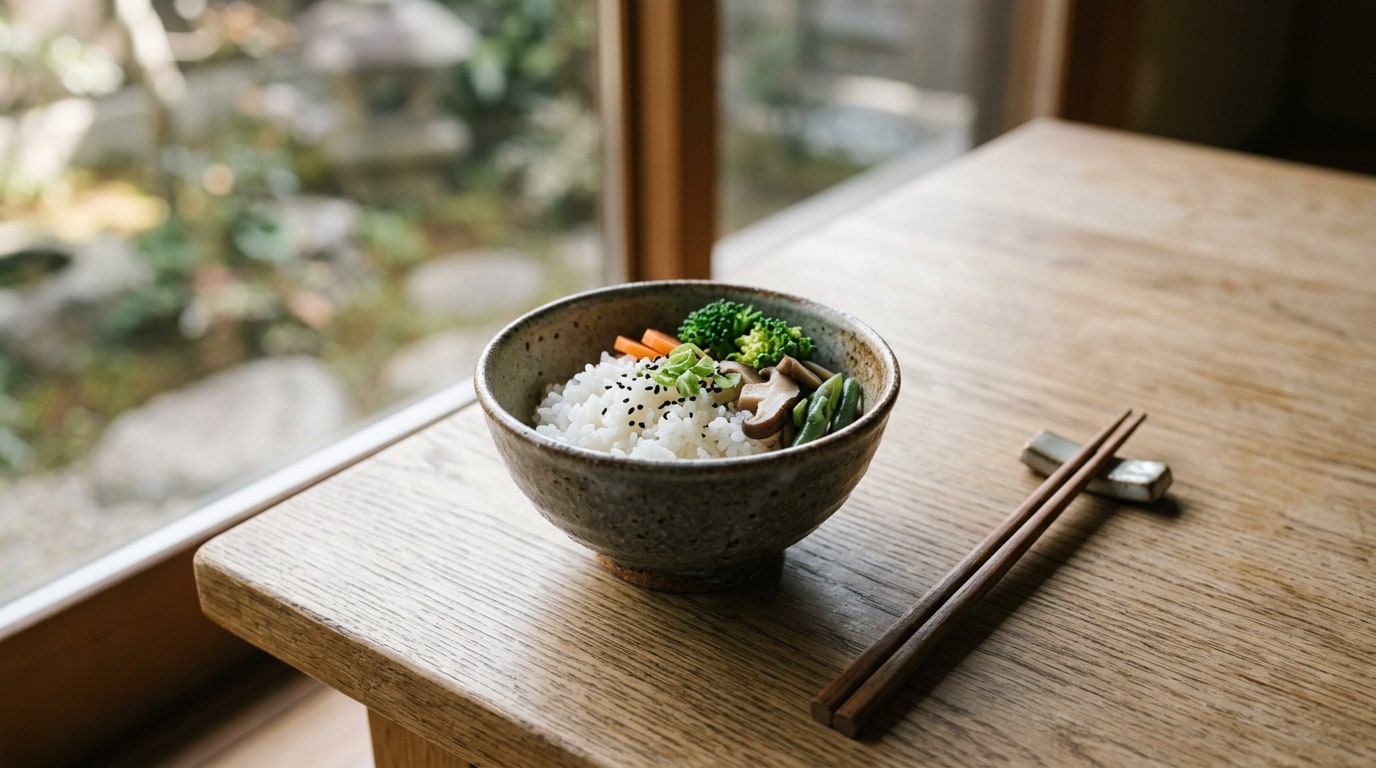
Hara hachi bu means eating until one is 80% full is a traditional practice of mindful and intuitive eating where you stop eating before feeling full. Practiced for over 300 years in Japan, mindful eating has since been adopted by the present society.
While modern society tends to follow external markers such as planning meals and tracking calories, hara hachi focuses on internal cues such as hunger and fullness. These forms of mindful eating practices have been shown to enhance the moderation of serving sizes
Practical Tips for Practicing Hara Hachi Bu
Here are some tips to begin practicing hara hachi by starting with your very next meal.
- Slow Down Eating — Slow eating by performing 15–20 chews per bite, taking regular sips of water, and even placing the fork down between bites.
- Use the 80% Fullness Scale — Stop eating around when fullness hits 7 out of 10, and when you are feeling light but still satisfied.
- Serve Less Than Usual — Serve smaller portions by either serving 10–20% less food than usual or using a smaller plate. Avoid eating directly from the container for a clearer view of portion size.
- Pause Mid-Meal — Stop for 1–2 minutes halfway through your meal and assess your level of hunger and fullness. Determine whether you are eating for hunger or because you enjoy the taste.
- Prioritize Volume and Nutrients — Increase meal volume by adding vegetables, lean protein, fiber, and healthy fats.
- Remove Distractions — Avoid eating while watching TV, scrolling, or working. This will help you remain present, improving your ability to listen to the internal cues of hunger and fullness.
- Stop Eating When Slightly Hungry — This feeling can signal 80%. If you are still hungry after 20 minutes, serve another small portion.
- Start Slow — Begin slowly by practicing one meal at first. This will help develop awareness and gradually build up to apply it to more meals each day.
Scientific Support for Hara Hachi Bu
Studies show that mindful eating has not only been effective in reducing food cravings, but also in portion control, reduction in body mass index (BMI), and weight. Individuals who scored high in mindfulness also exhibited lower problematic eating behaviour and fewer servings of energy-dense foods.
Meanwhile, sources reveal that mindful eating can reduce binge-eating, enhance diet quality, improve digestion, and develop mind-body food awareness. Given that hara hachi bu is a form of mindful eating, these health benefits may apply when implementing this traditional Japanese eating practice.
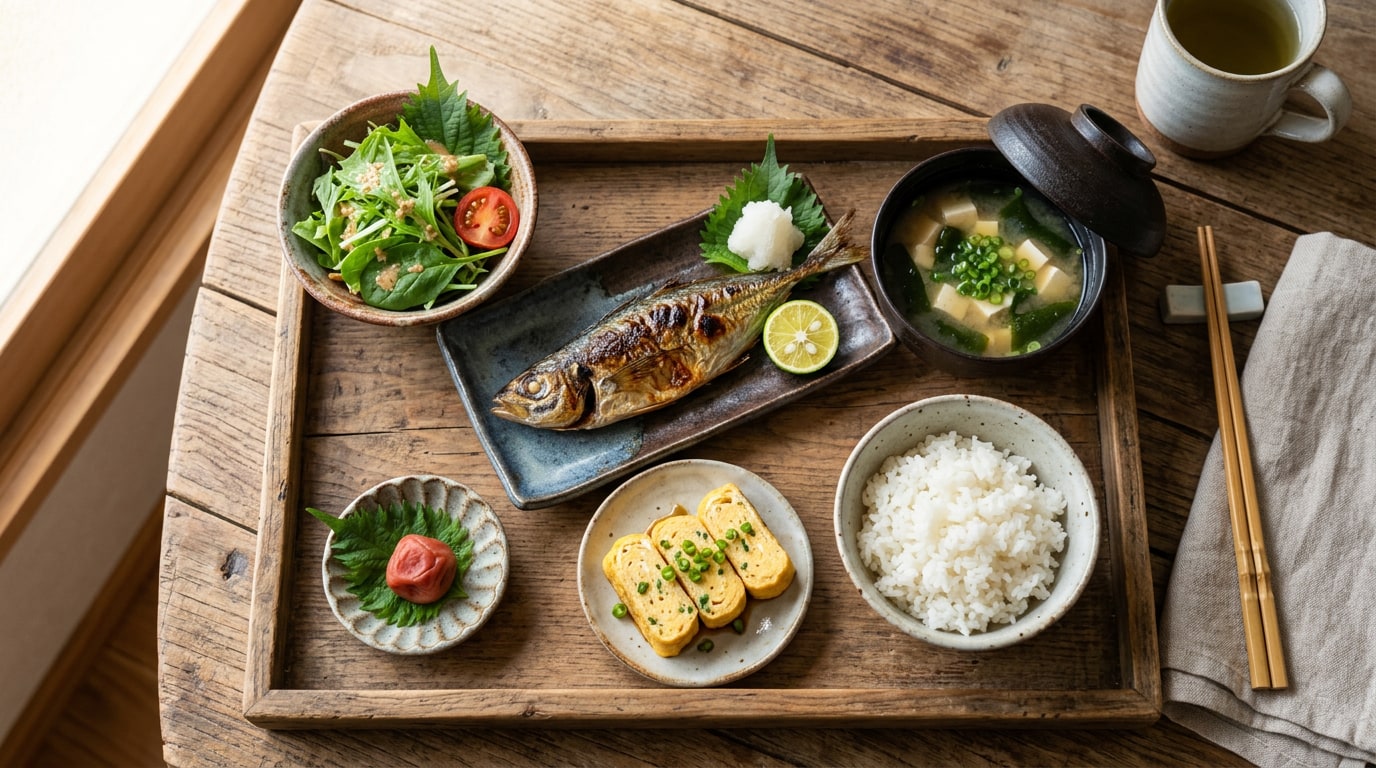
Principles of the Japanese Diet for Weight Loss
Sources explain that Japanese traditional diet culture, referred to as Washoku, is recognized by the United Nations Educational, Scientific and Cultural Organization (UNESCO) as a well-balanced and healthy dietary culture.
Studies explain that researchers use different Japanese Diet Index (JDI) scores to measure adherence to the traditional Japanese diet.
Sources explain that the 8-item Japanese Diet Index (JDI8) consists of a high intake of rice, miso soup, seaweeds, pickles, green and yellow vegetables, fish, and green tea, while lowering the intake of pork and beef.
What they determined was that adhering to the Japanese diet using the JDI8 was associated with a decreased risk of all-cause mortality and cardiovascular mortality.
Studies explain that the use of smaller portion sizes of a main dish and side dishes help reduce overeating, while frequent consumption of soups were correlated with lower body mass index, waist circumference, and waist-to-hip ratio, and all obesity-related physical factors.
Alongside this, the Japanese diet is shown to be healthy with associations to lower risk of dementia, cardiovascular disease, and all-cause mortality (total number of deaths from any cause).
Combined, these factors not only make it great for weight loss, but also a powerful style of eating for enhancing overall health and wellbeing.
Foods to Include and Avoid in a Japanese Diet
The Japanese diet not only has a specific structure, but they are also selective with their ingredients. The Japanese diet is shown to consist of rice, miso soup, seaweeds, pickles, vegetables, non-salty seafood, salty seafood, green tea, fruits, soy products, mushrooms, and salt by seasoning, while lowering the intake of pork and beef.
Meanwhile, foods such as refined sugars, unhealthy fats, and excessive sodium should be avoided. This is due to the increased risk of cardiovascular disease, obesity, type 2 diabetes, cancer, inflammation, increased blood pressure, and the negative impact on gut health.
Sample Meal Plan for Weight Loss
The following sample meal plan uses Japanese diet principles alongside a calorie deficit for weight loss. The plan contains breakfast, lunch, dinner, and a snack, along with calories and macronutrients.
While there is a calorie and macronutrient recommendation, the practice hara hachi bu should be followed to limit intake to 80%.
This sample diet plan is based on 2,000 kcal. Before commencing a similar meal plan, you must determine your own calorie deficit based on your total daily energy expenditure.
Calorie & Macronutrient Recommendations
- Calories: 2,00 kcal
- Carbohydrates: 40% of daily calorie intake = 200 g
- Protein: 40% of daily calorie intake = 200 g
- Fat: 20% of daily calorie intake = 44 g
Breakfast
Grilled Salmon & Miso Breakfast Bowl
This dish contains ingredients that are high in protein and moderate in carbohydrates, with the bonus of miso to support gut health.
Macros: 500 kcal, Carbs: 55 g, Pro: 50 g, Fat: 15 g
- 100 g grilled salmon
- 1 cup cooked white rice
- 2 soft-boiled eggs
- 1 cup steamed spinach
- 1 tbsp miso (in soup with tofu cubes
Lunch
Chicken Teriyaki Bento (Light Sauce)
This recipe focuses on lean protein and fiber (edamame, seaweed), while adding flavour with low sugar sauces.
Macros: 600 kcal, Carbs: 65 g, Pro: 65 g, Fat: 10 g
- 150 g grilled chicken breast
- 1 cup cooked brown rice
- 1 cup edamame
- Cucumber + seaweed salad
- Light homemade teriyaki (low sugar)
Dinner
Tofu & Shrimp Vegetable Stir-Fry
This meal contains a combination of plant and seafood-based protein, high-fiber vegetables, and controlled fat.
Macros: 550 kcal, Carbs: 55 g, Pro: 30 g, Fat: 17 g
- 120 g shrimp
- 200 g tofu
- 1 cup mixed vegetables (bok choy, mushrooms, carrots)
- ¾ cup cooked rice
- 1 tsp sesame oil
- Garlic, ginger, soy sauce
Snack
High-Protein Matcha Yogurt Bowl
This is a high protein, low-fat snack that is loaded with antioxidants.
Macros: 350 kcal, Carbs: 25 g, Pro: 55 g, Fat 2 g
- 1 ½ cups nonfat Greek yogurt
- 1 scoop whey isolate (unflavored or vanilla)
- ½ cup berries
- 1 tsp matcha powder
Auricular Acupuncture: A Unique Approach to Weight Loss
Sources explain that auricular acupuncture is a method for diagnosing and treating physical and psychosomatic dysfunction by stimulating specific points in the ear. In traditional Chinese Medicine, the ear is directly and indirectly connected to 12 meridians. Stimulating the ear can be used to equalize Qi and blood. This method is not only powerful for treating obesity, it can also assist with conditions such as pain, anxiety, sleep disorders, substance abuse, and epilepsy.
Meanwhile, further studies determined that individuals who participated in auricular acupuncture experienced a significant percentage change in body weight and active hunger hormone (ghrelin) levels. This highlights the intervention's ability to reduce appetite and weight loss.
Define auricular acupuncture and explain how it is applied for weight loss. Discuss its mechanism and potential benefits based on available research.
How Auricular Acupuncture Works
Studies show that the concha area is the location for a distribution of the vagus nerves, a critical component of the autonomic nervous system. When needles are positioned in this area, there is specific activation in the brain.
A 2015 study explored the effects of auricular acupuncture for weight reduction. During the study, they used a Chinese auriculotherapy chart and Nogie’s somatotopic inversion to locate the hunger and stomach points, before using a device to measure autonomic nerve activity to locate specific acupuncture points.
Auricular acupuncture is performed by placing a sterile needle into the following points. The tragus is the small, tongue-shaped cartilage that is directly in front of the opening of the ear canal. This is the hunger point, known for reducing hunger sensations and cravings.
The cavum conchae, which is the prominent bowl-shaped part that forms the lower and deeper part of the ear. This is the stomach point, known for regulating appetite, improving digestion, and reducing bloating.
Effectiveness and Considerations
Auricular acupuncture has a rich history in Traditional Chinese Medicine and Japanese medicine. Although several studies highlight a clear methodology and application, the mechanism underlying weight loss remains unclear.
However, the results for these studies indicate changes in body weight and body fat, and may reduce appetite. Based on these results, auricular acupuncture should be tried if you are curious about the positive effects it can have for weight loss.
Japanese Drink Routines for Enhancing Weight Loss

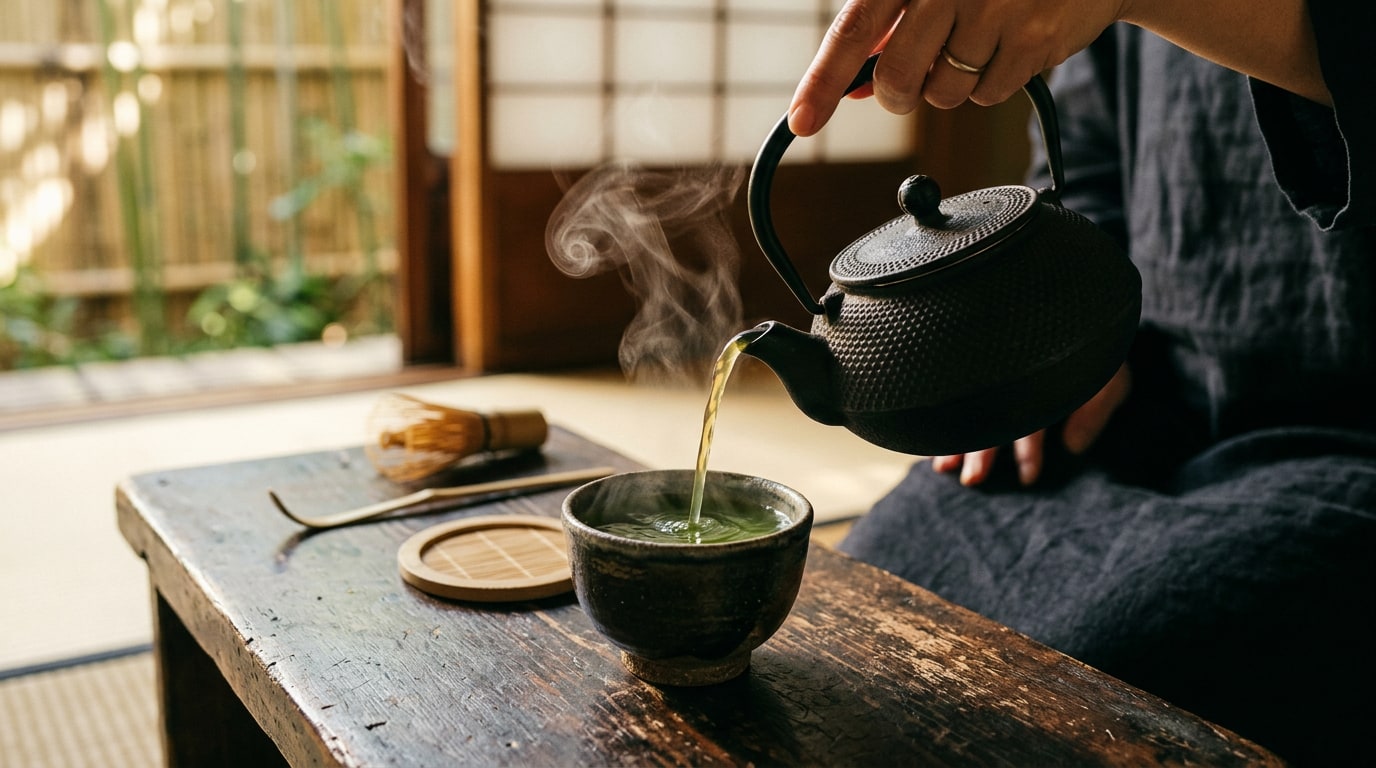
Japanese drink routines focus on consuming natural ingredients for hydration, metabolic stimulation, and stabilizing blood sugar through drinks such as green tea, matcha, miso soup, ginger-lemon tea, kombucha, and many others.
Below, we explain how Japanese drinking routines enhance weight loss, including how to create a balanced routine and highlight the benefits.
Health Benefits of Japanese Drinks
Japanese drinking routines use several beverages that contain powerful weight loss properties. Understanding these properties allows you to position them at optimal times of the day.
Here is a list of the different Japanese drinks we will include in our example routine, with the list of benefits. This will help you understand the timing of each drink's placement.
- Warm Water — Hydrates, prepares the stomach for food, and supports digestion. Sources reveal that consuming warm water after meals significantly reduces weight and BMI, while drinking 500 ml before meals enhances weight loss when in a calorie deficit.
- Miso Soup — Miso soup is shown to suppress fat accumulation in adipose tissue (body fat), increase satiety, and warm liquid reduces overeating.
- Sencha Green Tea — Research shows that green tea is effective for reducing weight and BMI in adults with obesity. Catechins have been shown to increase fat oxidation, with lower body fat and smaller waist circumference.
- Matcha — Shown to have potential benefits for supporting metabolism, managing obesity, and reducing diabetes risk.
- Barley Tea — Rehydrates and supports digestion
- Genmaicha — Increases satiety
- Ginger Tea — Sources reveal ginger promotes an increase in diet-induced thermogenesis, which is the energy expended when digesting and absorbing food.
Creating a Balanced Japanese Drink Routine
Now that we have highlighted the benefits of each Japanese drink, we will create a routine. Below, we have strategically positioned each drink where they will be most beneficial for weight loss and overall health.
Viewing the tables listed above, you can see how each beverage is carefully placed to take advantage of its benefits.
For example, warm water in the morning is used to hydrate and prepare the stomach for breakfast, while mid-morning matcha fat-oxidation provides a moderate boost of caffeine, improving focus, which is essential at the start of the day.
Frequently Asked Questions About Japanese Weight Loss Methods

Address common questions about Japanese weight loss methods, such as the 80% rule and daily eating habits. Provide clear and concise answers to each question.
What Is the 80% Rule in Japan?
The 80% rule is also known as hara hachi but refers to stopping eating when you are 80% full. This intuitive eating, which has been practiced for over 300 years in Japan, focuses on internal cues such as hunger and fullness. This helps to improve the moderation of serving sizes.
What Do Japanese Eat Daily to Lose Weight?
The Japanese daily diet for weight loss consists of low-calorie, nutrient-dense whole foods, including rice, miso soup, seaweeds, pickles, vegetables, non-salty seafood, salty seafood, green tea, fruits, soy products, mushrooms, and salt by seasoning. Combined with hara hachi bu, this stops over consumption lower calorie intake, which aids in weight loss.
Here is a list of these foods and a brief description of their role in a healthy diet:
- Miso soup: Supports gut health, provides probiotics, and promotes satiety.
- Seaweeds: Nutrient-dense foods rich in iodine, fiber, and minerals that support thyroid functions.
- Pickles: Add flavor and may support gut health. Consume in moderation.
- Vegetables: High in vitamins, minerals, antioxidants, and fiber that support digestion, fullness, and disease prevention.
- Non-salty seafood: High-quality lean protein and omega-3 fatty acids that support heart and brain health.
- Salty seafood: Provides protein and omega-3s.
- Green tea: Antioxidant-rich beverage containing catechins that may support metabolism and cardiovascular health.
- Fruits: Provide natural vitamins, antioxidants, and fiber.
- Soy products: Plant-based protein foods that contain beneficial isoflavones and support heart and hormonal health.
- Mushrooms: Low-calorie foods rich in antioxidants and fiber.
- Salt by seasoning: Enhances flavor and helps regulate electrolytes.
Japanese Walking Method Weight Loss Results
Japanese walking refers to performing 30 minutes of walking involving walking intervals, alternative 3-minutes of fast-paced, high-intensity walking, with 3-minutes of slow, recovery walks, for a total duration of 30 minutes. This style of interval walking has positive effects on cardiovascular health, reducing blood pressure, improving cardiac function, and decreasing bad cholesterol and triglycerides.
Japanese Walking on Treadmill vs. Outdoors
The Japanese walking method provides incredible benefits to cardiovascular health. However, the use of treadmills and outdoors can provide different effects.
Research shows that treadmill walking results in slower walking with shorter, less variable strides, while outdoor walking results in faster walking with longer strides, with a reduction of stride length regularity.
Meanwhile, studies have shown that overground (outdoor) running at high intensity resulted in higher energy consumption than treadmill running. However, their fat utilization was greater during treadmill running than during overground running at high intensity.
While this does not directly refer to walking, it highlights the potential difference that may occur when Japanese walk (interval walking) on treadmills versus outdoors.
Q: What is the 3-3-3 rule for weight loss?
The 3-3-3 rule is a weight loss strategy based on eating three balanced meals, drinking three bottles of water by 3 PM, and performing three hours of physical activity each week.
Three balanced meals should consist of lean protein for muscle support and satiety, carbohydrates for fuel, and fats to absorb essential nutrients. Three bottles of water improve fullness and digestion, while three hours of physical activity per week helps preserve muscle mass, improve cardiovascular health, and help maintain a healthy weight.
Q: What are the 4 ingredients in Japanese weight loss?
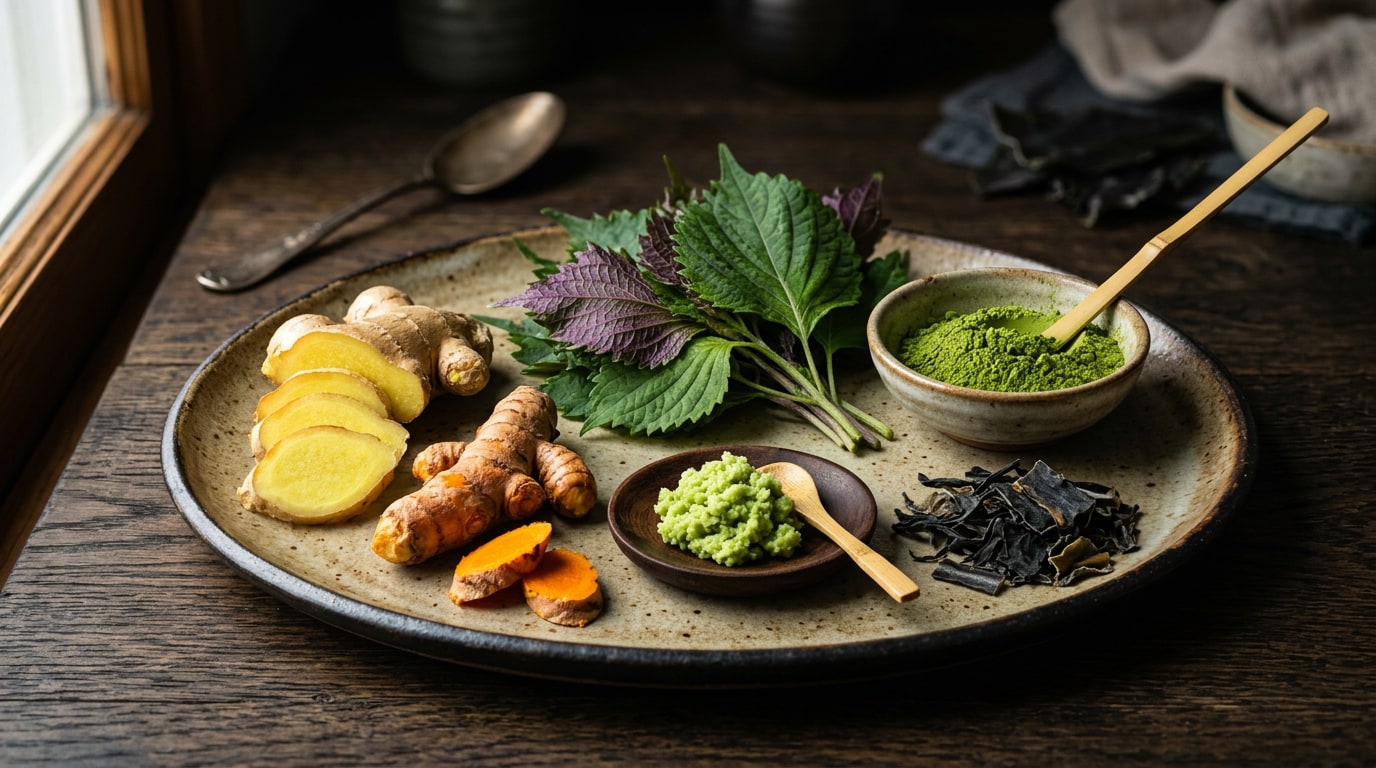
The four ingredients in Japanese weight loss include matcha powder, umeboshi, fresh ginger, and dried kombu seaweed. Matcha powder is used to boost metabolism. Umeboshi supports digestion and detoxification. Ginger contains anti-inflammatory properties and supports digestion, while kombu provides fiber, minerals, and thyroid support.
Q: How does Japanese walking on a treadmill differ?
Japanese walking on a treadmill offers a predictable walking experience with slower walking and less variable strides compared to walking outdoors. This is excellent for maintaining rhythm and decreasing the risk of falls or injury.
Q: What is the Japanese walking timer?
Japanese walking timers are timers specifically designed to track your fast and slow walking intervals, and the number of cycles. These can be useful for accurately tracking your session.
Weight loss that works with your body, not against it.
Get the planSources
- Kobayashi A, Uefuji M, Yasumo W. History and progress of Japanese acupuncture. Evid Based Complement Alternat Med. 2010 Sep;7(3):359-65. doi: 10.1093/ecam/nem155. Epub 2008 Feb 4. PMID: 18955321; PMCID: PMC2887322. https://pmc.ncbi.nlm.nih.gov/articles/PMC2887322/
- Litscher D, Litscher G. The History of Liquid Ear Acupuncture and the Current Scientific State of the Art. J Pharmacopuncture. 2016 Jun;19(2):109-13. doi: 10.3831/KPI.2016.19.011. PMID: 27386143; PMCID: PMC4931295. https://pmc.ncbi.nlm.nih.gov/articles/PMC4931295/
- He W, Wang X, Shi H, Shang H, Li L, Jing X, Zhu B. Auricular acupuncture and vagal regulation. Evid Based Complement Alternat Med. 2012;2012:786839. doi: 10.1155/2012/786839. Epub 2012 Nov 27. PMID: 23304215; PMCID: PMC3523683. https://pmc.ncbi.nlm.nih.gov/articles/PMC3523683/
- Ko JM, So WY, Park SE. Narrative Review of High-Intensity Interval Training: Positive Impacts on Cardiovascular Health and Disease Prevention. J Cardiovasc Dev Dis. 2025 Apr 17;12(4):158. doi: 10.3390/jcdd12040158. PMID: 40278218; PMCID: PMC12027975. https://pmc.ncbi.nlm.nih.gov/articles/PMC12027975/
- Swanson, D., Block, R. and Mousa, S.A. (2012) ‘Omega-3 fatty acids EPA and DHA: Health benefits throughout life’, Advances in Nutrition, 3(1), pp. 1–7. https://doi.org/10.3945/an.111.000893.
- Dunn C, Olabode-Dada O, Whetstone L, Thomas C, Aggarwal S, et al. (2018) Mindful Eating and Weight Loss, Results from a Randomized Trial. J Family Med Community Health 5(3): 1152. https://www.jscimedcentral.com/jounal-article-info/Journal-of-Family-Medicine-and-Community-Health/Mindful-Eating-and-Weight-Loss,-Results-from-a-Randomized-Trial--4759
- Imai, T., Miyamoto, K., Sezaki, A., Kawase, F., Shirai, Y., Abe, C., Fukaya, A., Kato, T., Sanada, M. and Shimokata, H. (2019) ‘Traditional Japanese diet score — Association with obesity, incidence of ischemic heart disease, and healthy life expectancy in a global comparative study’, The Journal of Nutrition, Health and Aging, 23(8), pp. 717–724. https://doi.org/10.1007/s12603-019-1219-5. https://www.sciencedirect.com/science/article/pii/S1279770723011156
- Matsuyama, S., Sawada, N., Tomata, Y. et al. Association between adherence to the Japanese diet and all-cause and cause-specific mortality: the Japan Public Health Center-based Prospective Study. Eur J Nutr 60, 1327–1336 (2021). https://doi.org/10.1007/s00394-020-02330-0. https://link.springer.com/article/10.1007/s00394-020-02330-0?utm_source=getftr&utm_medium=getftr&utm_campaign=getftr_pilot&getft_integrator=sciencedirect_contenthosting
- Suthutvoravut, U., Takahashi, K., Murayama, H., Tanaka, T., Akishita, M. and Iijima, K. (2020) ‘Association between traditional Japanese diet Washoku and sarcopenia in community-dwelling older adults: Findings from the Kashiwa Study’, The Journal of Nutrition, Health and Aging, 24(3), pp. 282–289. https://doi.org/10.1007/s12603-020-1318-3. https://www.sciencedirect.com/science/article/pii/S1279770723011156
- Gabriel AS, Ninomiya K, Uneyama H. The Role of the Japanese Traditional Diet in Healthy and Sustainable Dietary Patterns around the World. Nutrients. 2018 Feb 3;10(2):173. doi: 10.3390/nu10020173. PMID: 29401650; PMCID: PMC5852749. https://pmc.ncbi.nlm.nih.gov/articles/PMC5852749/
- Ito H, Yamada O, Kira Y, Tanaka T, Matsuoka R. The effects of auricular acupuncture on weight reduction and feeding-related cytokines: a pilot study. BMJ Open Gastroenterol. 2015 Feb 9;2(1):e000013. doi: 10.1136/bmjgast-2014-000013. PMID: 26462269; PMCID: PMC4599151. https://pmc.ncbi.nlm.nih.gov/articles/PMC4599151/
- de Oliveira Rodrigues DM, Menezes PR, Machado Ribeiro Silotto AE, et al. Efficacy and Safety of Auricular Acupuncture for Depression: A Randomized Clinical Trial. JAMA Netw Open. 2023;6(11):e2345138. doi:10.1001/jamanetworkopen.2023.45138. https://jamanetwork.com/journals/jamanetworkopen/fullarticle/2812388
- Ito H, Yamada O, Kira Y, Tanaka T, Matsuoka R. The effects of auricular acupuncture on weight reduction and feeding-related cytokines: a pilot study. BMJ Open Gastroenterol. 2015 Feb 9;2(1):e000013. doi: 10.1136/bmjgast-2014-000013. PMID: 26462269; PMCID: PMC4599151. https://pmc.ncbi.nlm.nih.gov/articles/PMC4599151/
- Au-Doung, P.L., Mak, K.K. & To, K.K. Green tea supplementation in adults with obesity: a systematic review of clinical studies. Discov Food 5, 332 (2025). https://doi.org/10.1007/s44187-025-00628-8, https://link.springer.com/article/10.1007/s44187-025-00628-8
- Okouchi R, Sakanoi Y, Tsuduki T. Miso (Fermented Soybean Paste) Suppresses Visceral Fat Accumulation in Mice, Especially in Combination with Exercise. Nutrients. 2019 Mar 6;11(3):560. doi: 10.3390/nu11030560. PMID: 30845686; PMCID: PMC6470805. https://pmc.ncbi.nlm.nih.gov/articles/PMC6470805/
- Imai, T., Miyamoto, K., Sezaki, A., Kawase, F., Shirai, Y., Abe, C., Fukaya, A., Kato, T., Sanada, M. and Shimokata, H. (2019) ‘Traditional Japanese diet score — Association with obesity, incidence of ischemic heart disease, and healthy life expectancy in a global comparative study’, The Journal of Nutrition, Health and Aging, 23(8), pp. 717–724. https://doi.org/10.1007/s12603-019-1219-5.
- Suchitra, M.R., Balachandar, S. and Srinivasan, P. (2023) ‘Intake of hot water after each meal as a weight reduction strategy – a prospective randomized controlled trial’, Biomedicine, 43(1), pp. 514–516. https://doi.org/10.51248/.v43i01.1786. https://www.sciencedirect.com/science/article/abs/pii/S2212429222004655
- Jówko E. Green Tea Catechins and Sport Performance. In: Lamprecht M, editor. Antioxidants in Sport Nutrition. Boca Raton (FL): CRC Press/Taylor & Francis; 2015. Chapter 8. Available from: https://www.ncbi.nlm.nih.gov/books/NBK299060/
- Alsenani, F., Alotaiq, N., Dermawan, D., Elwali, N.E., Nasrullah, M.Z., Almalki, R.H., Alfarsi, N.T., Almatrafi, A.S. and Alsulami, M.S. (2025) ‘Understanding the role of green tea and matcha consumption in cardiovascular health, obesity, and diabetes: Insights from a Saudi Arabian population’, Human Nutrition & Metabolism, 40, p. 200302. https://www.sciencedirect.com/science/article/pii/S2666149725000052
- Li S, Xue JJ, Hong P, Song C, He ZH. Comparison of energy expenditure and substrate metabolism during overground and motorized treadmill running in Chinese middle-aged women. Sci Rep. 2020 Feb 4;10(1):1815. doi: 10.1038/s41598-020-58791-0. PMID: 32020007; PMCID: PMC7000674. https://pmc.ncbi.nlm.nih.gov/articles/PMC7000674/
FAQs
What is the hara hachi bu method and how can it help me lose weight?
Hara hachi bu is a traditional Japanese practice that encourages eating until you're 80% full, promoting mindful consumption. By listening to your body's hunger signals, you can prevent overeating and manage your weight more effectively.
How can I incorporate Japanese walking into my fitness routine?
To incorporate Japanese walking, aim for 30 minutes of interval walking, alternating between 3 minutes of fast-paced walking and 3 minutes of slow recovery walking. This can be done four or more times a week to improve cardiovascular health and support weight loss.
Why is hydration important in Japanese weight loss methods?
Hydration is crucial in Japanese weight loss methods as it boosts metabolism, aids digestion, and supports detoxification. Drinking sufficient water and incorporating green tea into your diet can enhance these benefits.
Can auricular acupuncture really help with appetite control?
Yes, auricular acupuncture can serve as an appetite suppressant by stimulating specific points on the ear. This technique can help reduce cravings and prevent overconsumption, making it a valuable tool for weight management.
Should I follow a specific diet while practicing these Japanese weight loss methods?
While following a specific diet isn't mandatory, combining Japanese weight loss methods with a balanced diet rich in whole foods can enhance your results. Focus on mindful eating, portion control, and incorporating nutritious choices to support your weight loss journey.